Lorem ipsum dolor sit amet, consectetur adipiscing elit. Sed ac Online Marketing velit vitae risus porta condimentum a non orci. Sed porttitor dui neque, sit amet mattis tortor iaculis at. Sed vitae dapibus neque. Duis nec orci sem. Phasellus euismod congue lectus, ut sagittis ex varius id. Sed rhoncus hendrerit elit eu vulputate. Nam vehicula velit massa. Nam vulputate mauris non sapien euismod fermentum. Suspendisse orci nulla, faucibus non lacus non, semper consequat dolor. Ut vehicula arcu vel mollis aliquet. Quisque a cursus tellus. Donec in posuere sapien. Mauris sed placerat dui, quis pulvinar tellus. Praesent lacinia efficitur risus nec viverra. Duis mollis ut velit eget tempus. Maecenas sollicitudin blandit dui.
1. Create a resources page
Nullam et dui libero. Curabitur vel magna elementum, aliquam ante congue, accumsan lorem. Phasellus a erat a metus ultrices venenatis nec sed justo. Nam id purus viverra metus mattis vehicula. Suspendisse ac lorem ut urna dignissim hendrerit non at augue. Suspendisse potenti. Vivamus quis purus dictum, imperdiet nulla et, pellentesque erat. Quisque consectetur felis et tincidunt pharetra.
2. Target more horizontal keyphrases
Nunc sed sapien in purus laoreet finibus et in massa. Curabitur sit amet pharetra elit. Pellentesque eu ex lectus. Orci varius natoque penatibus et magnis dis parturient montes, nascetur ridiculus mus. Morbi ornare pretium vulputate. Pellentesque luctus, justo eget efficitur sodales, dolor nulla dapibus ipsum, eget mattis dolor ante vestibulum ante. Donec scelerisque porttitor arcu. Integer non tincidunt ipsum. Suspendisse nisi est, imperdiet vel nunc non, tristique facilisis ex. Pellentesque tempor porttitor ex, eget facilisis lectus vestibulum ut. Duis vitae vehicula est. Sed sit amet euismod velit, a molestie nisl.
The Fascinating World of Sloths: Nature's Slow-Motion Survivors
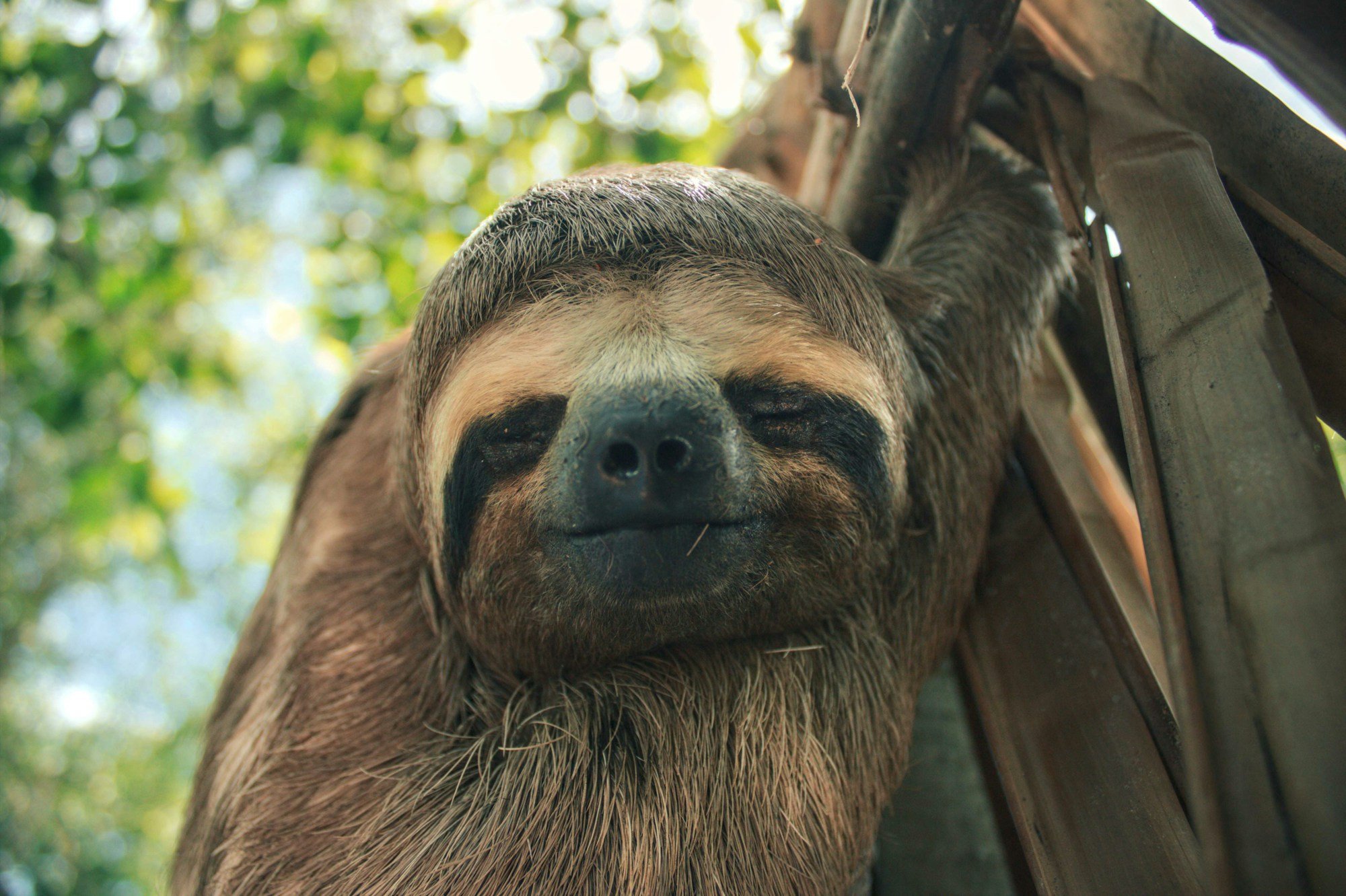
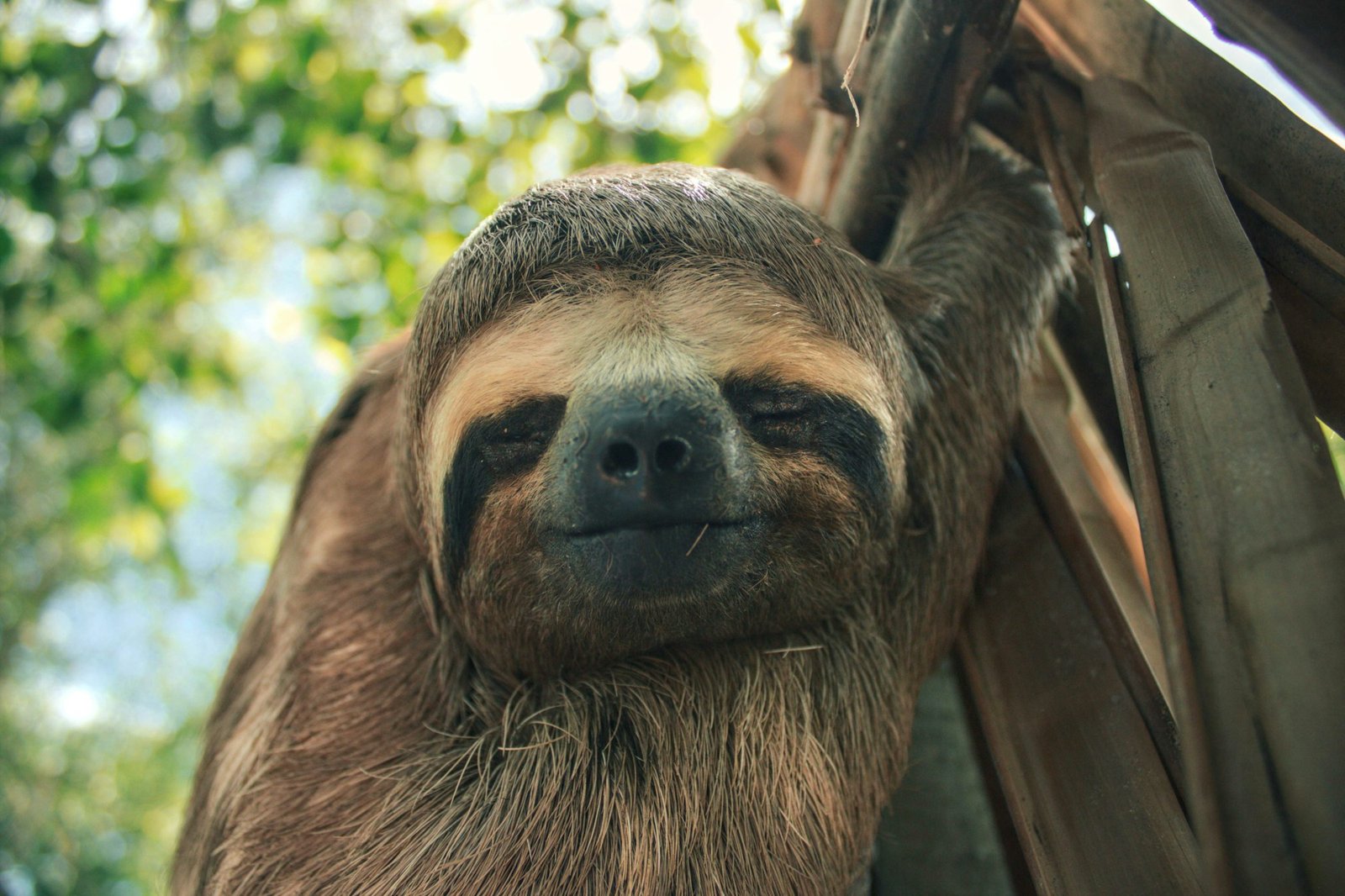
Sloths are among the most distinctive and captivating creatures in the animal kingdom. These tree-dwelling mammals, found primarily in Central and South American rainforests, have evolved a lifestyle that challenges everything we know about survival in the wild. natural behavior
While most animals rely on speed and agility to survive, sloths have taken the opposite approach. Moving at a leisurely pace of just 0.15 miles per hour, these remarkable animals have perfected the art of energy conservation. Their slow metabolism allows them to survive on a diet of leaves that provides minimal nutrition, a strategy that would be impossible for most mammals. rainforest-inspired habitat
Two Types of Sloths
There are two main types of sloths: two-toed and three-toed sloths. Despite their names, all sloths actually have three toes on their hind limbs—the difference lies in their front limbs. Three-toed sloths are generally smaller and slightly faster, while two-toed sloths are nocturnal and have a more varied diet that includes fruits and insects.
A Unique Ecosystem
Sloths are more than just individual animals—they're mobile ecosystems. Their thick fur hosts a variety of organisms, including algae that gives them a greenish tint, providing natural camouflage. This algae garden also supports moths, beetles, and other insects, creating a miniature habitat on the sloth's back.
Conservation Concerns
Despite their successful evolutionary strategy, sloths face increasing threats from habitat loss and climate change. As rainforests shrink, these slow-moving creatures struggle to adapt quickly enough. Conservation efforts are crucial to ensure that future generations can marvel at these extraordinary animals.
Sloths remind us that there's more than one way to thrive in nature. Their unhurried approach to life isn't laziness—it's millions of years of evolution perfected into an art form.
Ten seconds. That was all Brandon McNulty had left between himself and a group of the world’s best riders as the 2026 Cycling World Championships men’s road race entered its final 10 kilometres. He had attacked alone more than 30 kilometres earlier. Now, on Montréal’s last punishing circuit, the chase was almost on his wheel.
McNulty did not get caught. On September 27, 2026, the American crossed the line alone to become the first US winner of the elite men’s road world title since 1993. Michael Matthews took silver for Australia, 13 seconds behind, with the Netherlands’ Mathieu van der Poel third. That neat result hides a race that refused to settle until the final metres, as the UCI’s account of the championship finale makes clear.
The early break looked safe, until Montréal started asking questions
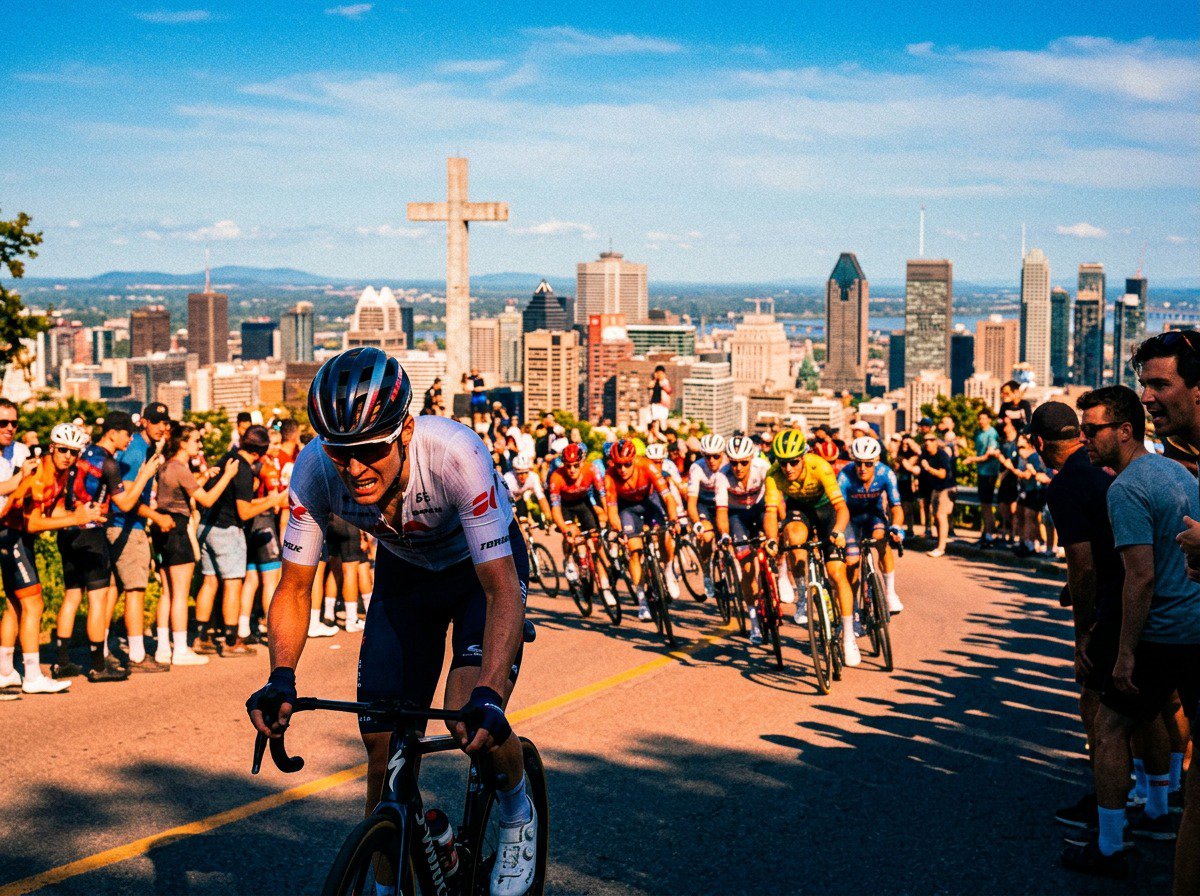
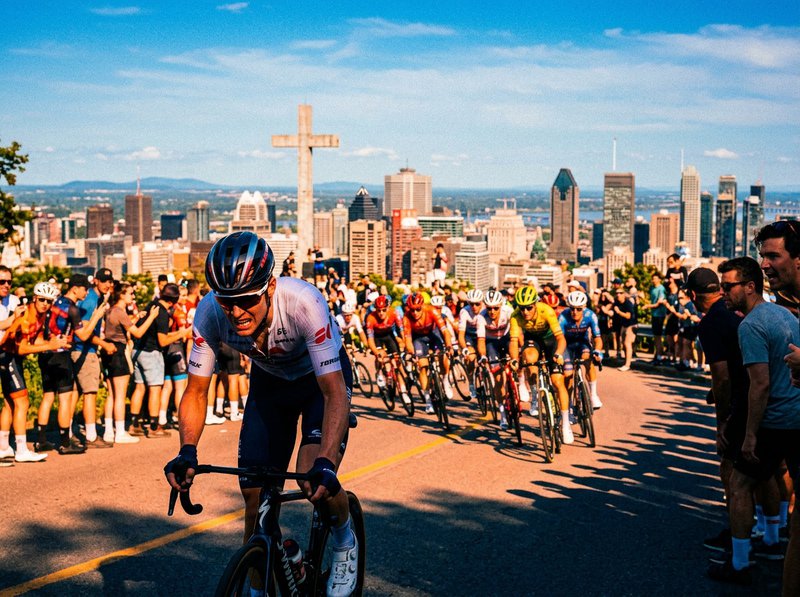
The race began in Brossard and finished in Montréal after 273.4 kilometres. Its defining test was not one mountain but repetition: 12 laps of a 13.4-kilometre circuit around Mont Royal, with the Voie Camillien-Houde climb waiting each time. By the finish, the riders faced approximately 3,803 metres of climbing, according to the UCI.
A 16-rider breakaway went clear early and built a lead of around eight minutes. For a while, that gap gave the race a familiar shape. France then lifted the pace as the field reached the finishing circuit, gradually bringing the escape within reach. The real uncertainty was still ahead. Each ascent took a little more out of the riders who would eventually decide the title.
Van der Poel attacks, and the favourites scatter
With around 87 kilometres remaining, Wout van Aert attacked and a dangerous group formed. Van der Poel pressed harder. Quinn Simmons and Oscar Onley held on when he split the front of the race, and Primož Roglič later made it across. Behind them, Isaac del Toro and Paul Seixas kept driving the pursuit.
For a stretch, Van der Poel looked capable of turning a chaotic race into his race. But every move brought another response. The groups split, rejoined, and split again. By 35 kilometres to go, a group of 12 had come back together near the front. The attacks had exhausted the favourites without giving any of them control.
That was McNulty’s opening.
One American goes. The other Americans make the chase harder.
McNulty accelerated away with roughly 33 kilometres to race. He did not wait for company. He settled into a solo effort while the riders behind attacked one another instead of building a steady pursuit. His advantage grew beyond a minute. At the start of the final lap, it was 53 seconds.
But this was more than one rider’s gamble. Simmons had already spent valuable kilometres in the dangerous move with Van der Poel. As McNulty rode alone, Matteo Jorgenson remained in the chase, responding to threats rather than helping bring back his teammate. In USA Cycling’s race account, Jorgenson described the team’s plan as putting the American result ahead of individual ambitions. McNulty’s solo was spectacular. The space around it was a team effort.
Then the numbers began to turn against him.
Fifty-three seconds become ten
Remco Evenepoel’s move had helped cut McNulty’s lead before the final lap. The chasers kept coming on the last ascent of the Voie Camillien-Houde. By the final 10 kilometres, the gap was down to 10 seconds. A lead that had looked decisive had become one acceleration away from disappearing.
McNulty was hurting. The riders behind could see the title slipping away from him and toward them. But seeing a lone leader is not the same as catching him. The chase could not sustain the one collective effort it needed. Jorgenson continued to cover moves, and McNulty kept pushing over the remaining kilometres.
He reached the uphill finish alone. Matthews won the sprint for second ahead of Van der Poel. Simmons finished fourth, underlining how deep the American challenge had been. The official UCI championship page carries the event results.
Afterward, McNulty admitted he had not believed the victory was secure even in the final few hundred metres. It is the detail that makes the finish: the new world champion was still fighting to believe what the rest of Montréal was watching happen.
Why this upset will last
The surprise was not simply that McNulty won. It was how he won: after the favourites had attacked, after the lead had stretched beyond a minute, and after it had collapsed to almost nothing. Ten seconds from being caught, he found enough road to make history.
At the line, the rainbow jersey belonged to the rider who went alone, and to the teammates who made sure the chase never had an easy answer.