The Fascinating World of Sloths: Nature's Slow-Motion Survivors
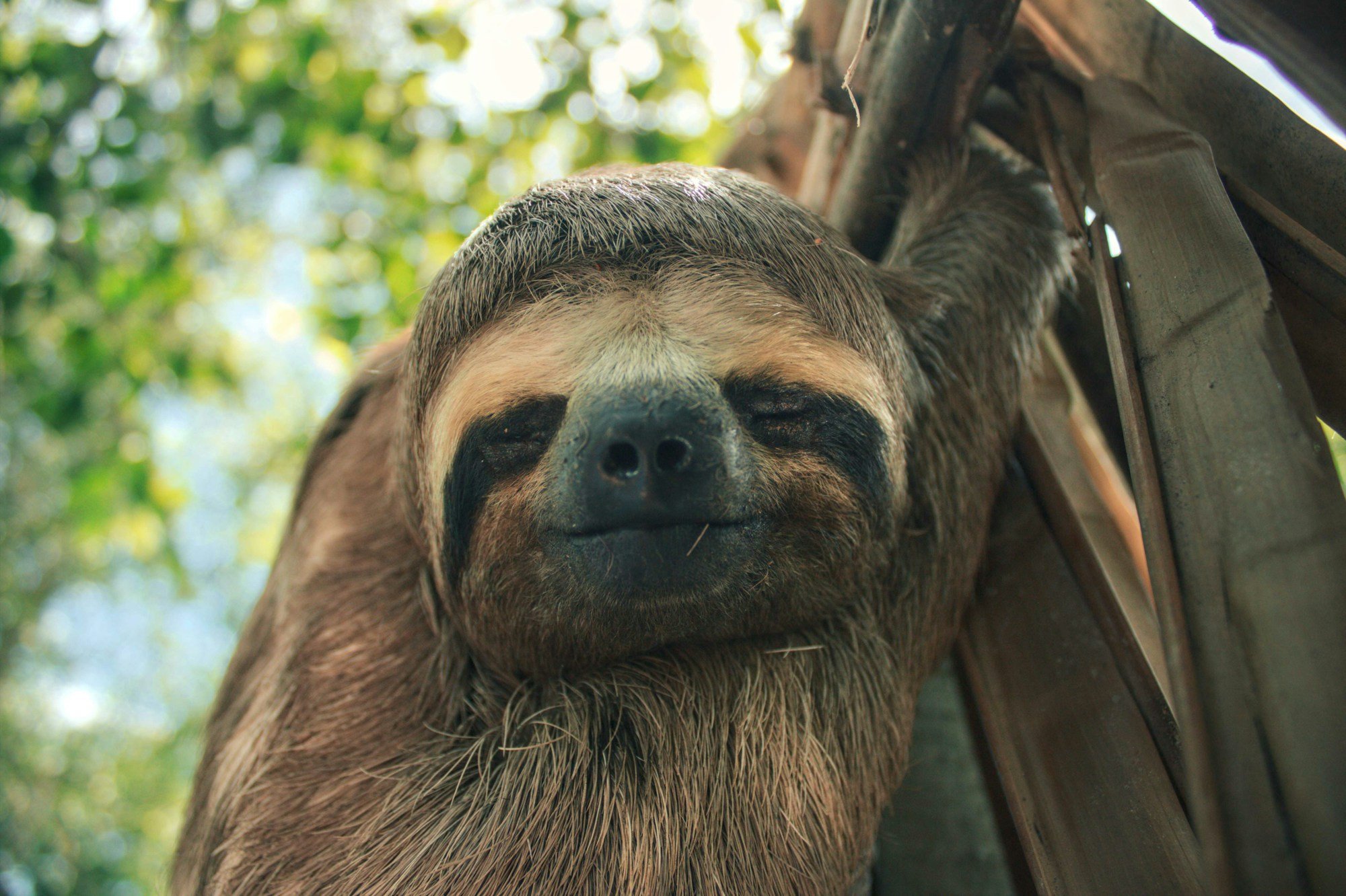
Sloths are among the most distinctive and captivating creatures in the animal kingdom. These tree-dwelling mammals, found primarily in Central and South American rainforests, have evolved a lifestyle that challenges everything we know about survival in the wild. natural behavior
Masters of Energy Conservation
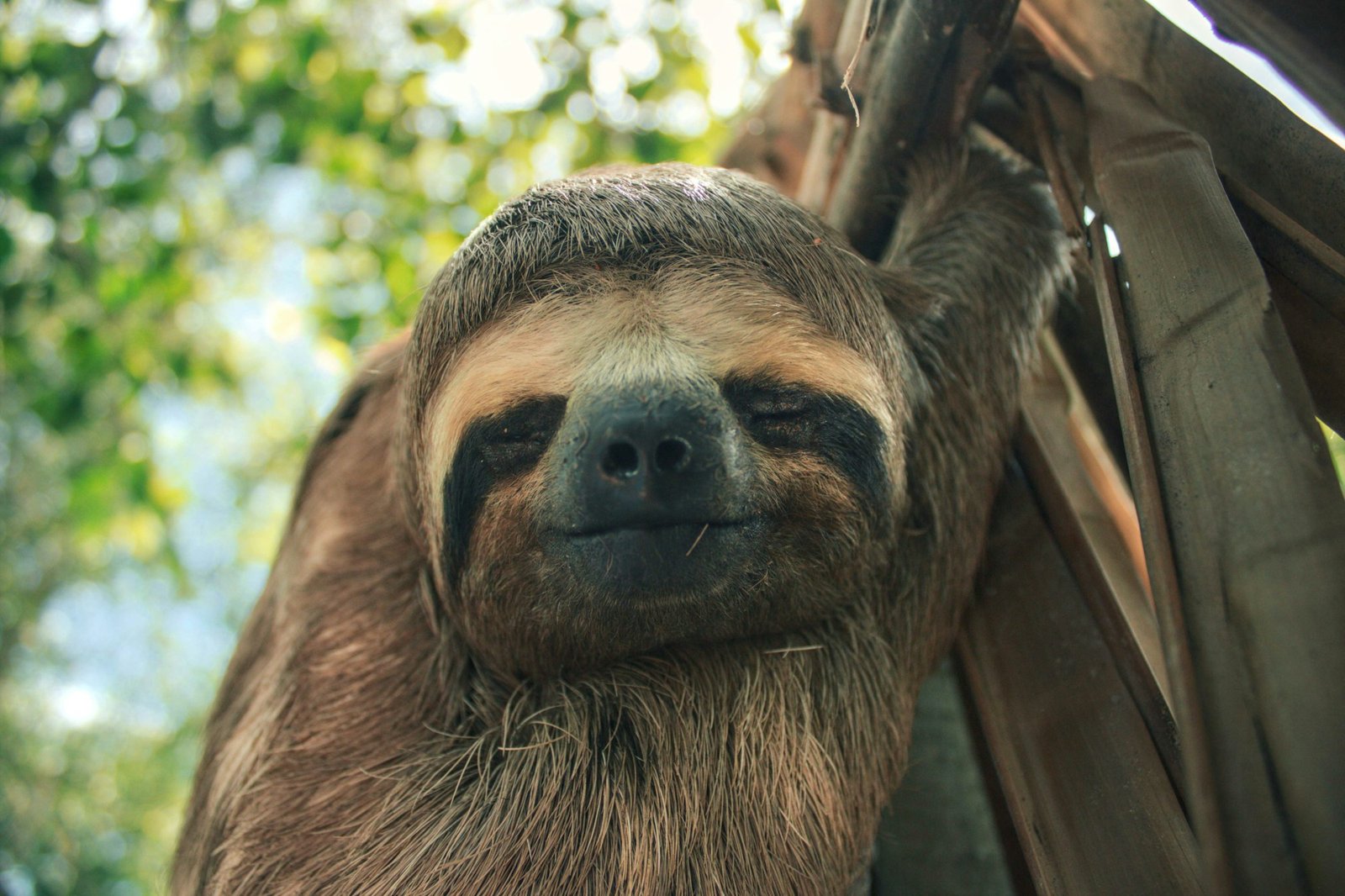
While most animals rely on speed and agility to survive, sloths have taken the opposite approach. Moving at a leisurely pace of just 0.15 miles per hour, these remarkable animals have perfected the art of energy conservation. Their slow metabolism allows them to survive on a diet of leaves that provides minimal nutrition, a strategy that would be impossible for most mammals. rainforest-inspired habitat
Two Types of Sloths
There are two main types of sloths: two-toed and three-toed sloths. Despite their names, all sloths actually have three toes on their hind limbs—the difference lies in their front limbs. Three-toed sloths are generally smaller and slightly faster, while two-toed sloths are nocturnal and have a more varied diet that includes fruits and insects.
A Unique Ecosystem
Sloths are more than just individual animals—they're mobile ecosystems. Their thick fur hosts a variety of organisms, including algae that gives them a greenish tint, providing natural camouflage. This algae garden also supports moths, beetles, and other insects, creating a miniature habitat on the sloth's back.
Conservation Concerns
Despite their successful evolutionary strategy, sloths face increasing threats from habitat loss and climate change. As rainforests shrink, these slow-moving creatures struggle to adapt quickly enough. Conservation efforts are crucial to ensure that future generations can marvel at these extraordinary animals.
Sloths remind us that there's more than one way to thrive in nature. Their unhurried approach to life isn't laziness—it's millions of years of evolution perfected into an art form.
Leave a Reply